Comparing Self-Publishing Platforms: Which is Right for You?


Understanding Self-Publishing Platforms
In the digital age, self-publishing has become an attractive option for authors looking to maintain creative control and maximize their profits. With numerous platforms available, choosing the right one can be overwhelming. This guide will help you compare popular self-publishing platforms to find the best fit for your needs.

Amazon Kindle Direct Publishing (KDP)
Amazon KDP is one of the most widely used self-publishing platforms, offering a vast audience reach. It allows authors to publish eBooks and paperbacks with ease. Some benefits include:
- Wide Distribution: Access to millions of readers worldwide.
- Royalties: Earn up to 70% royalties on eBooks.
- Print on Demand: No need for inventory management.
However, Amazon's exclusivity requirements for certain programs like KDP Select might limit your distribution options.
Apple Books
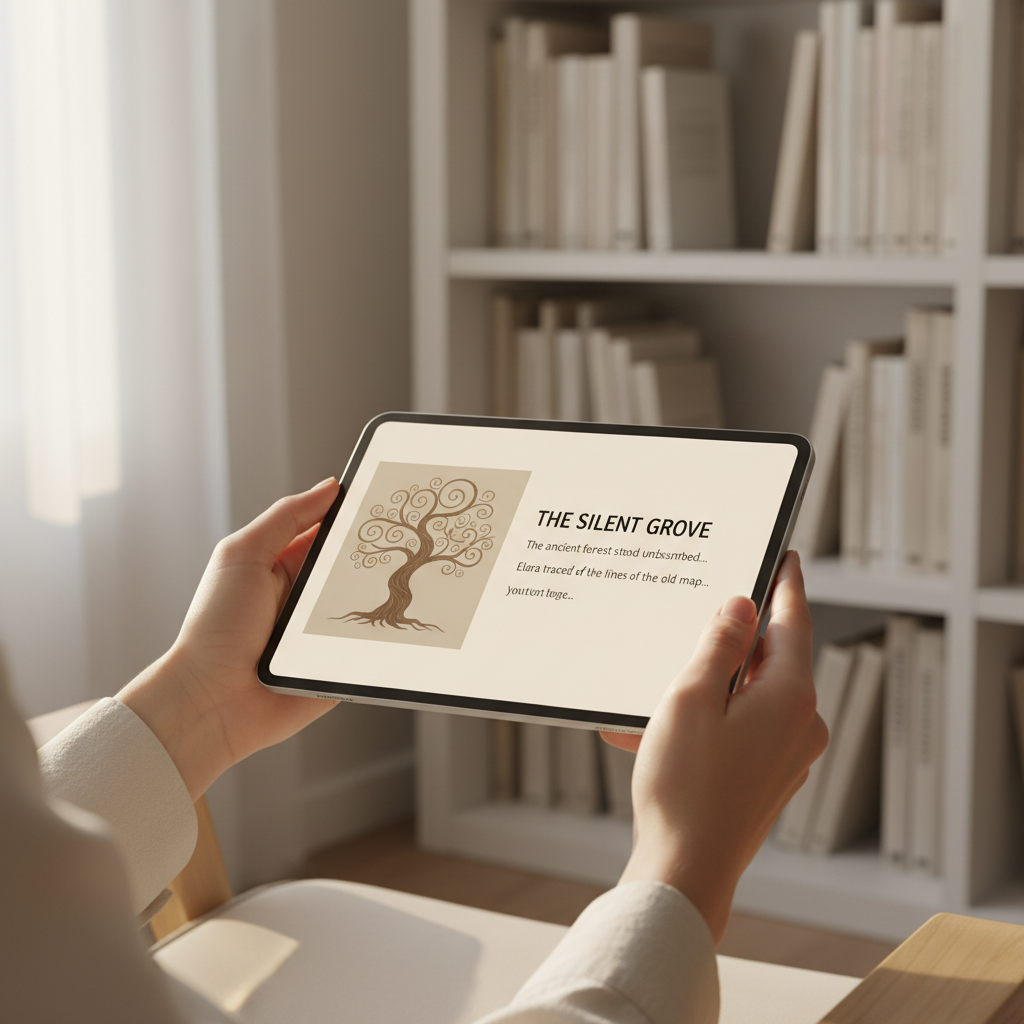
Apple Books is another popular platform, especially for authors targeting Apple device users. It offers a sleek interface and direct access to a dedicated reader base. Key features include:
- Attractive royalty rates.
- No exclusivity requirement, allowing broader distribution.
- Powerful marketing tools within the Apple ecosystem.
IngramSpark
For authors interested in both print and digital formats, IngramSpark provides an appealing option. It offers extensive distribution channels, including online retailers and physical bookstores. Benefits include:
- High-quality print options.
- Access to a global distribution network.
- Support for both eBooks and print books.
Keep in mind that IngramSpark charges setup fees, which may be a consideration for budget-conscious authors.
Smashwords
Smashwords is a versatile platform that specializes in eBook distribution. It offers:
- A wide range of distribution partners, including libraries.
- Flexible pricing and promotional tools.
- No upfront costs, making it accessible for new authors.
Choosing the Right Platform
When selecting a self-publishing platform, consider your goals, budget, and target audience. Each platform has its strengths and weaknesses, so it's crucial to align your choice with your publishing strategy. Whether you prioritize wide distribution, higher royalties, or quality print options, there's a platform suited to your needs.
By understanding the unique features of each option, you can make an informed decision and successfully navigate the world of self-publishing.