Creating Audiobooks: Expert Tips for Aspiring Authors


Introduction to Audiobook Creation
The audiobook industry has been experiencing a boom in recent years, offering authors a lucrative avenue to reach wider audiences. Creating an audiobook not only enhances your book’s accessibility but also provides a unique way to engage with readers. If you're an aspiring author, diving into the world of audiobooks can be both exciting and daunting. In this post, we'll explore expert tips to help you navigate the process smoothly.
Understanding Your Audience
Before you begin recording, it's essential to understand your target audience. Consider who your readers are and how they consume content. Are they commuters, fitness enthusiasts, or busy parents? Knowing your audience will help you tailor the tone and style of your audiobook to fit their preferences, ensuring a more engaging experience.
Choosing the Right Narrator
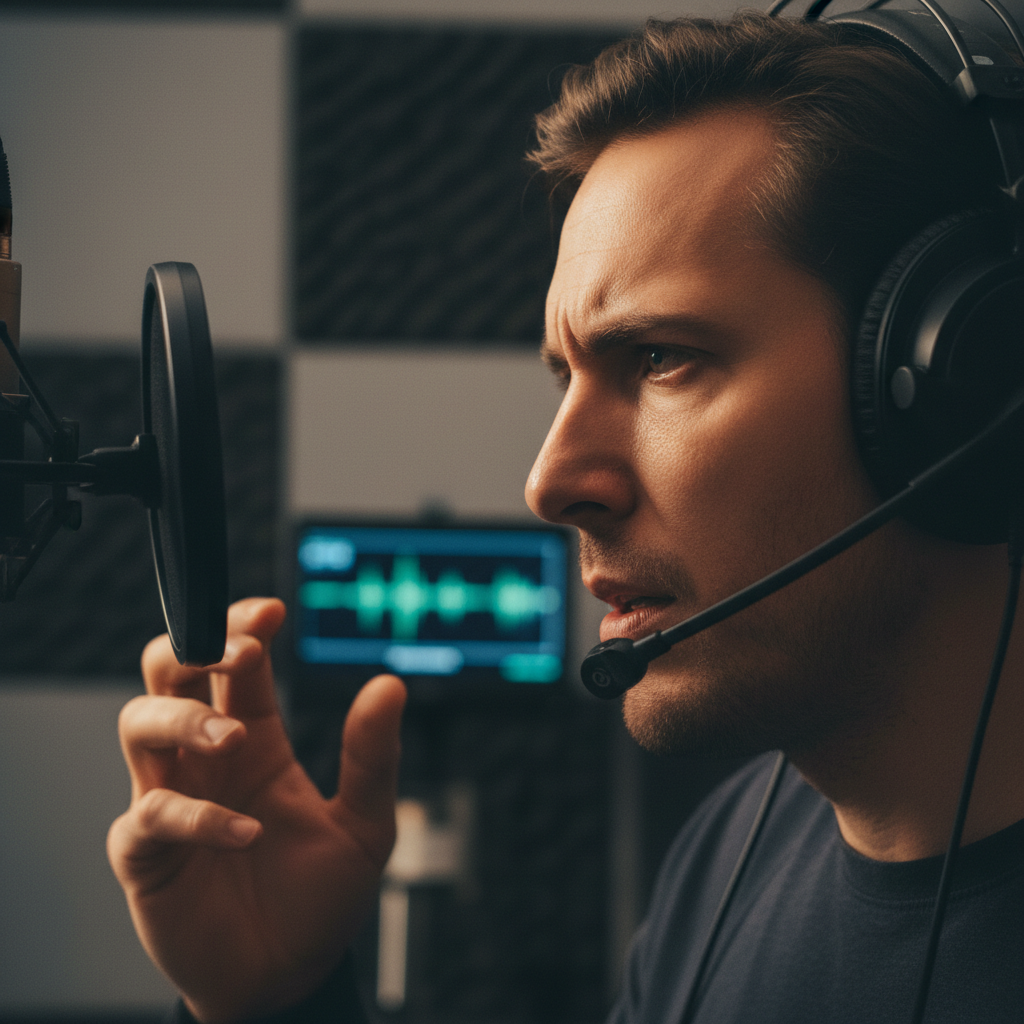
The narrator is the voice of your book, so choosing the right one is crucial. You can opt to narrate your book yourself, which adds a personal touch, or hire a professional narrator who can bring a different dimension to your story. When selecting a narrator, listen to samples and consider their ability to convey emotion and maintain listener interest.
Preparing Your Manuscript
Before recording, it's vital to prepare your manuscript for audio format. This involves removing visual cues and ensuring that the text flows well when spoken. Pay attention to dialogue tags, and consider how to convey non-verbal cues through voice alone. A well-prepared manuscript can make the recording process much smoother.
Setting Up a Recording Environment
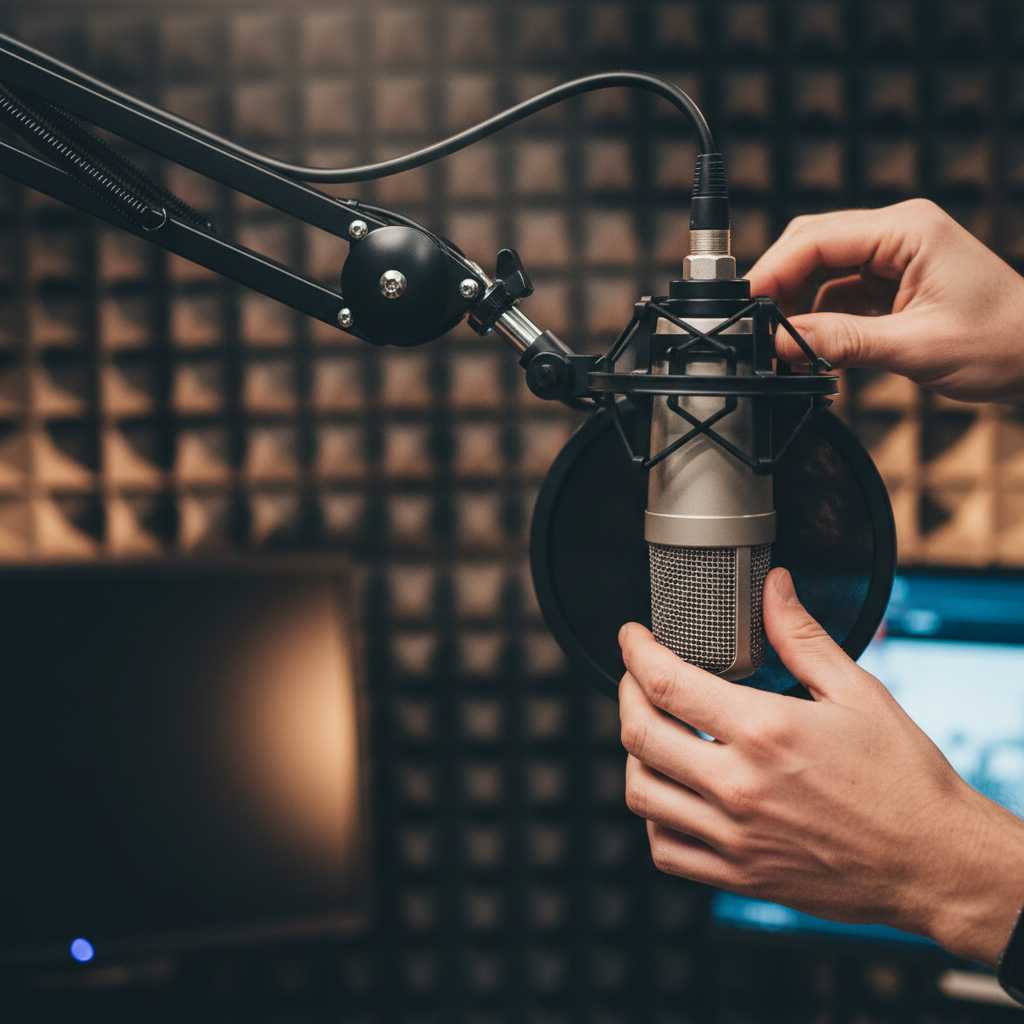
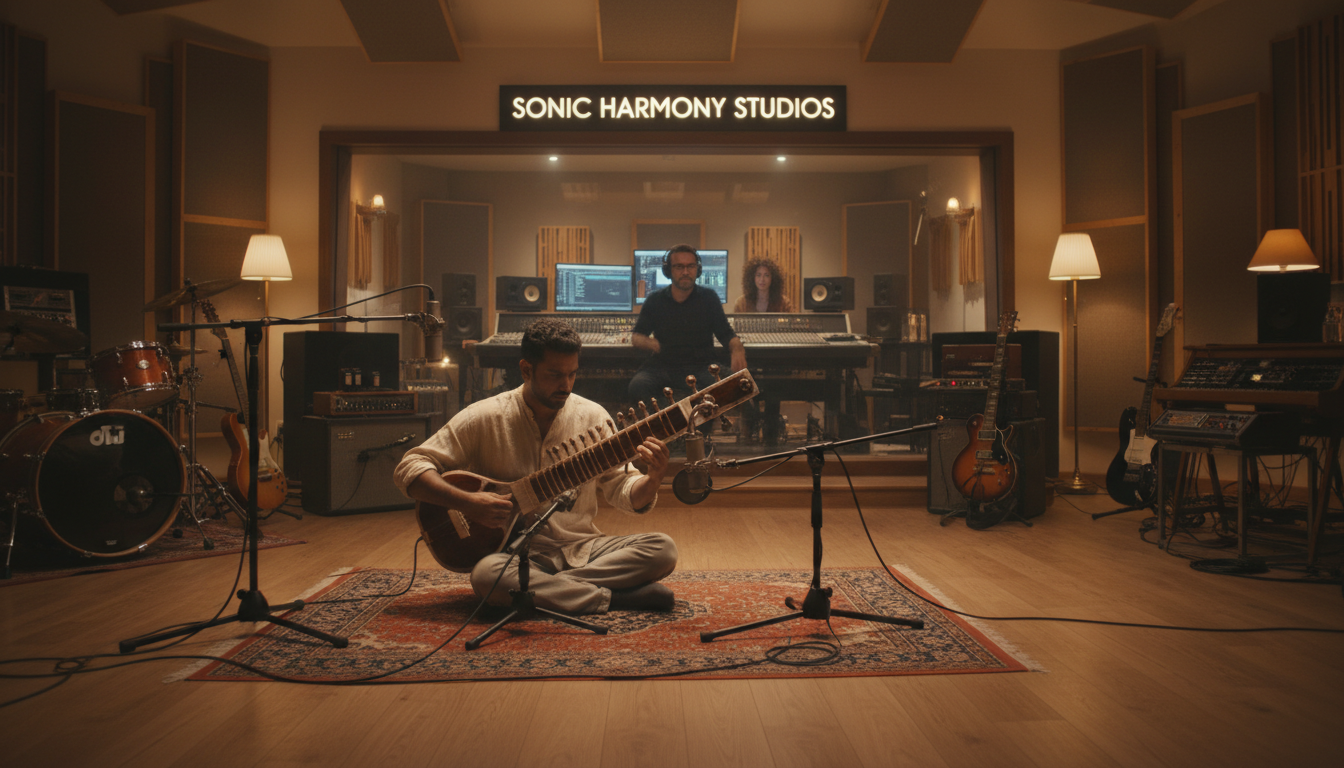
Creating a professional-sounding audiobook requires a suitable recording environment. Find a quiet space with minimal background noise and invest in a quality microphone. Soundproofing the area or using a recording booth can enhance audio quality significantly. Remember, the clearer the audio, the more enjoyable the experience for listeners.
Editing and Post-Production
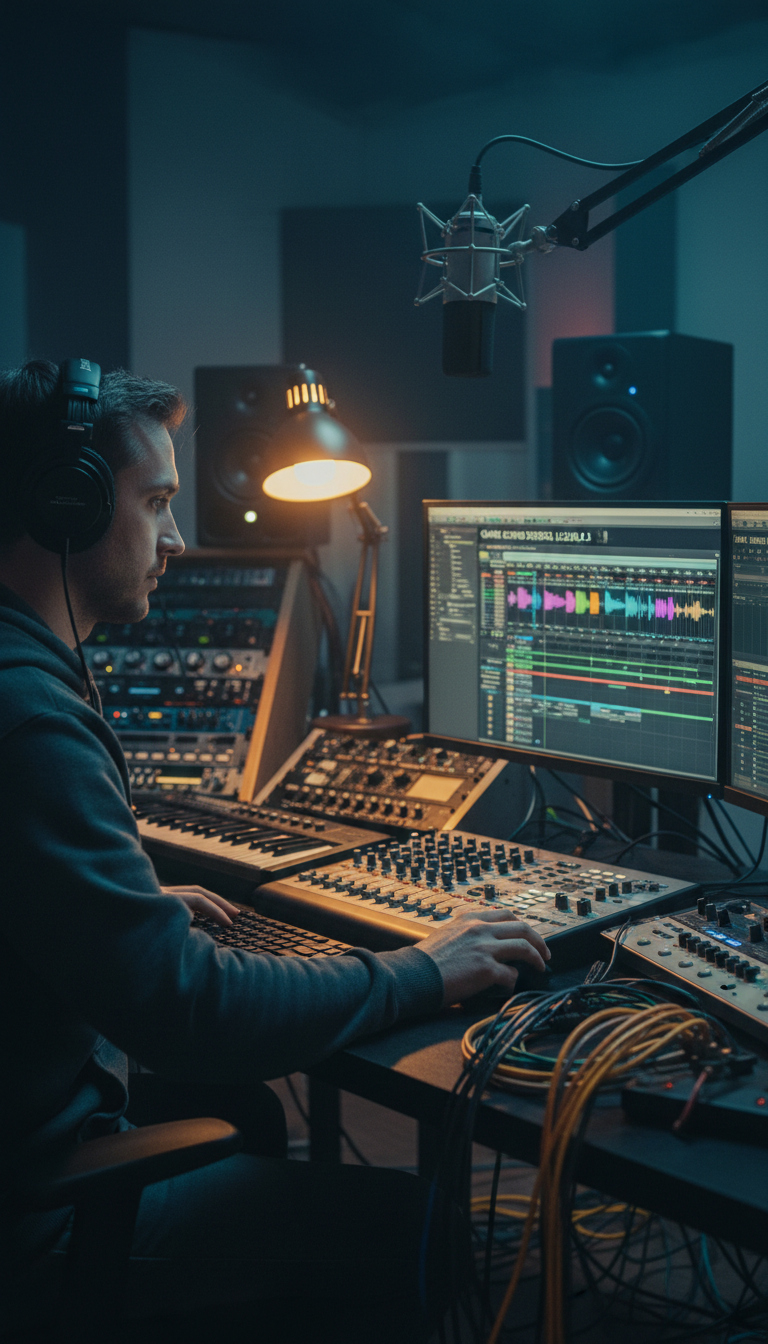
Once the recording is complete, the next step is editing and post-production. This involves removing pauses, correcting mistakes, and ensuring consistent audio quality throughout the book. You may choose to hire a professional audio editor to handle this stage, as it can greatly impact the final product’s quality.
Adding Background Music and Sound Effects
While not always necessary, adding subtle background music or sound effects can enhance the listening experience. This should be done sparingly and tastefully, ensuring it complements rather than distracts from the narration. Choose music that aligns with the tone of your book and enhances the overall mood.
Distribution and Marketing
Once your audiobook is ready, the next step is distribution. Platforms like Audible, iTunes, and Google Play offer great visibility for your work. Consider their requirements and submission processes to ensure a smooth launch. Additionally, marketing your audiobook is crucial. Leverage social media, author websites, and newsletters to reach your audience effectively.
Creating an audiobook can be a rewarding endeavor, providing authors with an opportunity to connect with their audience in a new and dynamic way. By following these expert tips, you can ensure that your audiobook is professionally produced and well-received by listeners.