DIY Guide: Designing Your Book Cover as a Wisconsin Author


Understanding the Importance of a Book Cover
As a Wisconsin author, you understand that your book cover is the first impression readers will have of your work. A well-designed cover can capture attention and convey the essence of your story. It's not just about aesthetics; it's about communicating your book's message.

Gathering Inspiration
Before diving into design, start by gathering inspiration. Visit local bookstores in Wisconsin or explore online platforms to see what captivates you. Pay attention to colors, fonts, and layouts that resonate with your book's genre and theme.
Consider creating a mood board to compile your ideas. This can guide your design process and help you maintain a cohesive look.
Choosing the Right Tools
There are numerous tools available for DIY book cover design. Some popular options include Adobe Spark, Canva, and GIMP. These tools offer customizable templates and user-friendly interfaces, perfect for authors without a design background.
Understanding Design Elements
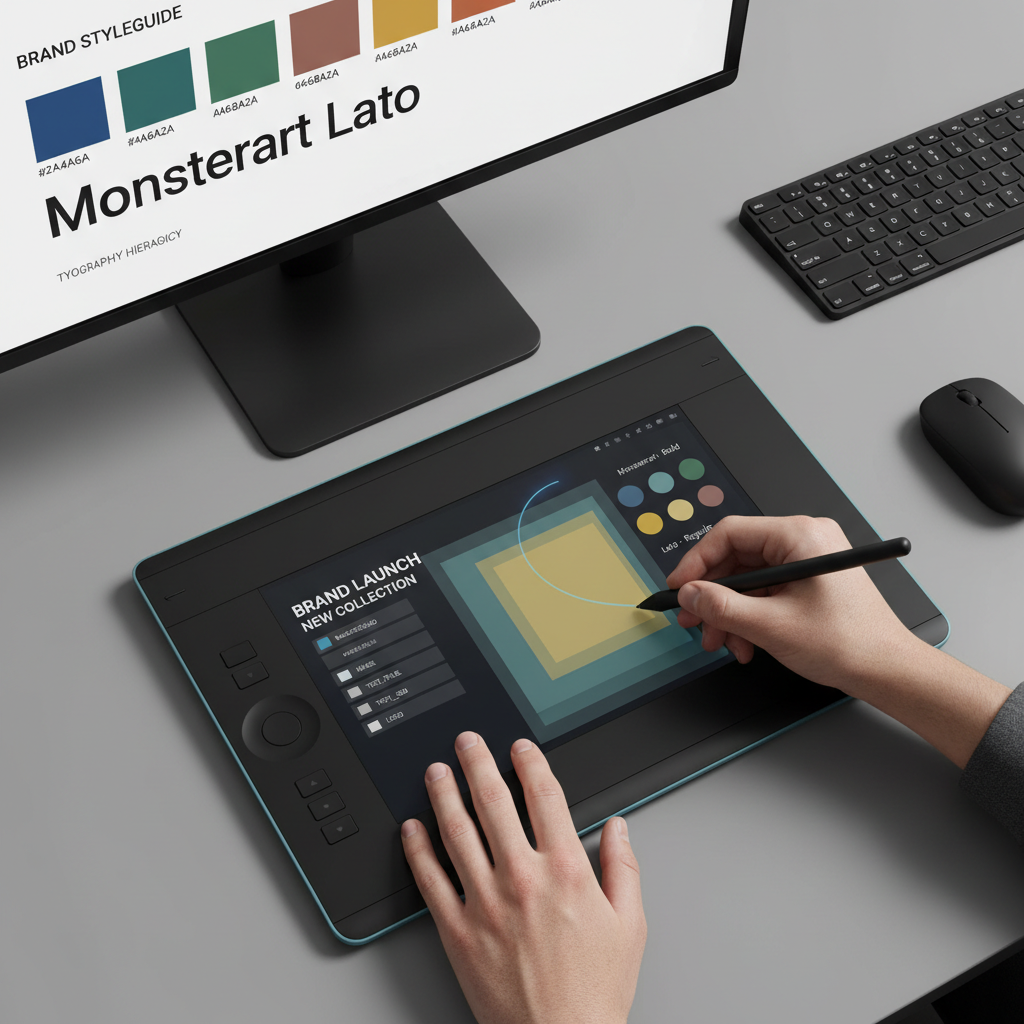
When designing your cover, focus on key elements such as typography, imagery, and color scheme. Each element should align with your book's theme. For instance, a thriller might use bold, dark colors, while a romance novel could feature soft, warm tones.
Creating a Focal Point
Your book cover should have a clear focal point that draws the reader's eye. This could be the title, an intriguing image, or a unique graphic. Ensure that the focal point is balanced with other elements to avoid a cluttered look.

Typography Tips
Choose fonts that are readable and appropriate for your book's genre. Avoid using too many different fonts, as this can make your cover look chaotic. Instead, select one or two complementary fonts to maintain a professional appearance.
Testing and Feedback
Once you've designed your cover, gather feedback from fellow authors, friends, or potential readers. Constructive criticism can provide valuable insights and help you refine your design.

Finalizing Your Design
After incorporating feedback, finalize your design. Ensure that the file meets the necessary specifications for print or digital publication. This includes checking dimensions, resolution, and file format requirements.
Remember, your book cover is a representation of your hard work and creativity. Take pride in your DIY design, knowing it's a reflection of your unique voice as a Wisconsin author.