The Art of Graphic Design for Book Covers: Tips for Self-Published Authors


Understanding the Importance of a Book Cover
For self-published authors, the book cover is a critical component of the marketing strategy. A well-designed cover not only attracts potential readers but also conveys the essence of the story within. In the crowded world of self-publishing, a captivating cover can make the difference between a book being picked up or passed over.
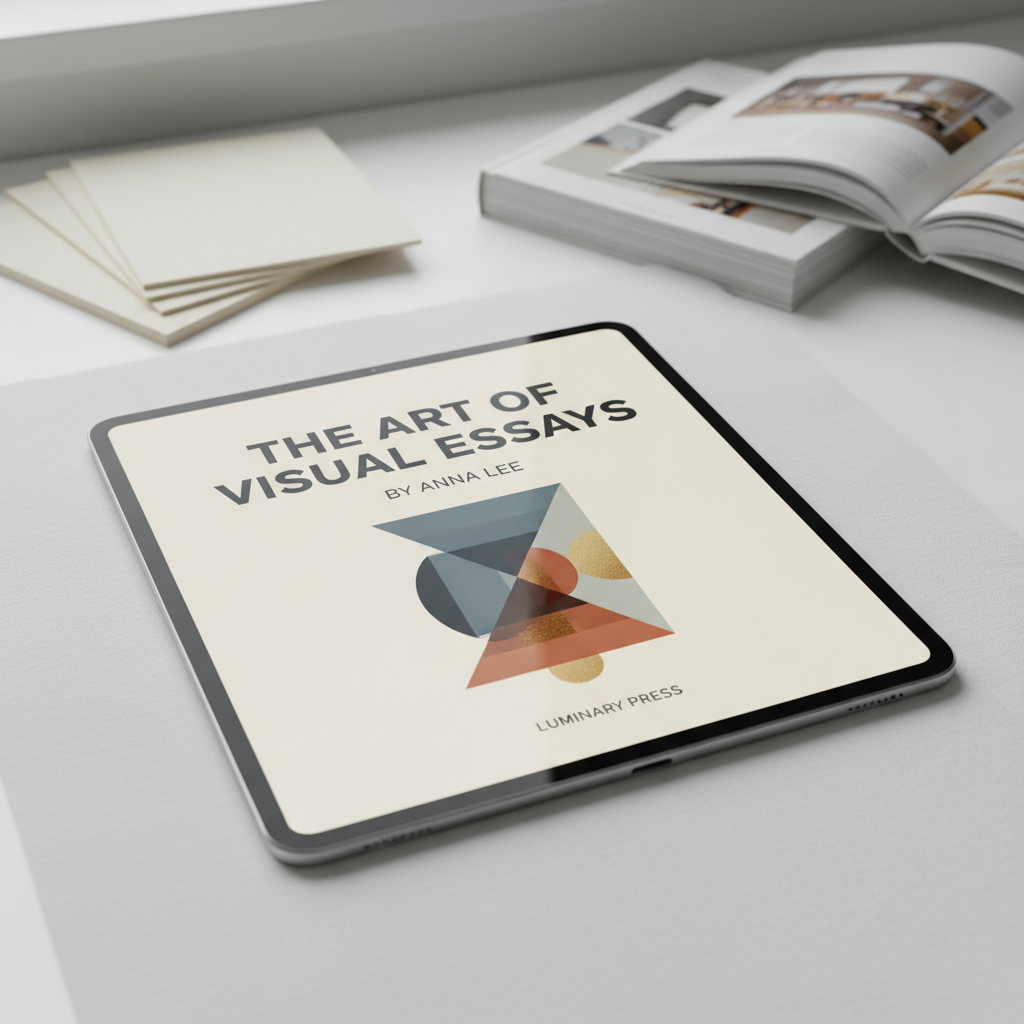
Your book cover serves as the first impression of your work. It should be visually appealing and communicate the genre and tone of your book. A professional-looking cover suggests a quality read, enticing readers to explore further.
Key Elements of a Successful Book Cover
Typography
Typography plays a vital role in graphic design for book covers. The choice of font can dictate the mood and genre of your book. For instance, a fantasy novel might use an ornate, whimsical font, while a thriller might opt for bold, stark lettering. Ensure your text is legible both in thumbnail size and at full scale.
Color Scheme
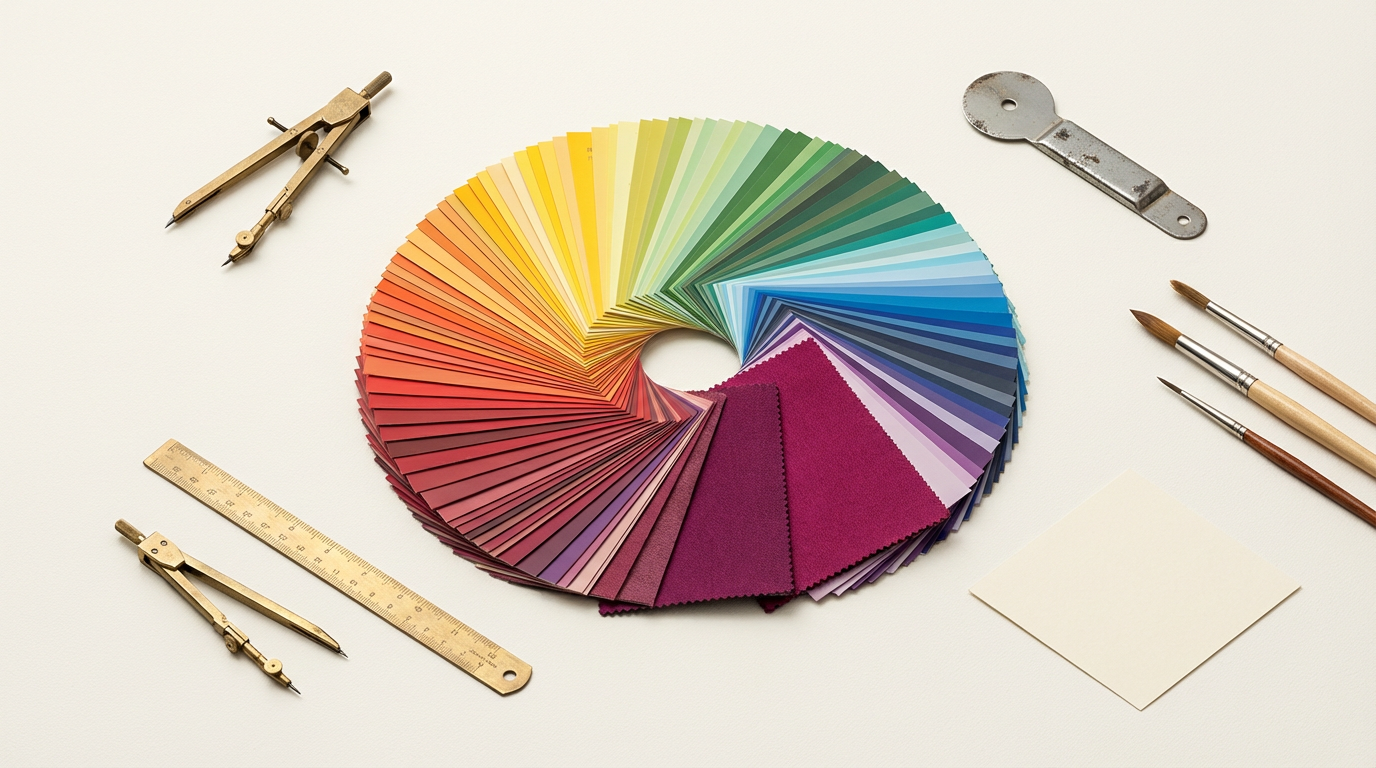
The colors on your book cover should align with the tone of your story. Bright, bold colors might suit a lively romance or children’s book, while darker hues might be more appropriate for a mystery or horror novel. Consistency in color scheme helps create a cohesive look that is visually pleasing.
Imagery and Graphics
Images and graphics should be relevant to your book's themes and plot. High-quality images can capture the attention of potential readers. Consider using original artwork or licensed images that reflect the unique aspects of your story. Avoid overcrowding the cover with too many elements, as simplicity often speaks louder.
Designing for Your Audience
Understanding your target audience is crucial when designing your book cover. Consider what appeals to them and what they might be looking for in a book. Research similar books within your genre to identify trends and preferences among your potential readers.

Tools and Resources for Self-Published Authors
There are numerous tools available to assist self-published authors in creating stunning book covers. Software like Adobe Photoshop, Canva, and GIMP offer a range of features for both beginners and experienced designers. Additionally, hiring a professional graphic designer can be a worthwhile investment if your budget allows.
Testing and Feedback
Before finalizing your book cover, seek feedback from potential readers, friends, or fellow authors. Constructive criticism can provide valuable insights into how your cover is perceived. Consider running A/B tests with different cover designs to determine which one resonates best with your audience.
The art of graphic design for book covers is an essential skill for self-published authors. By focusing on key elements such as typography, color scheme, and imagery, and understanding your audience, you can create a cover that not only draws attention but also captures the essence of your story.